Jewish Holidays and Festivals
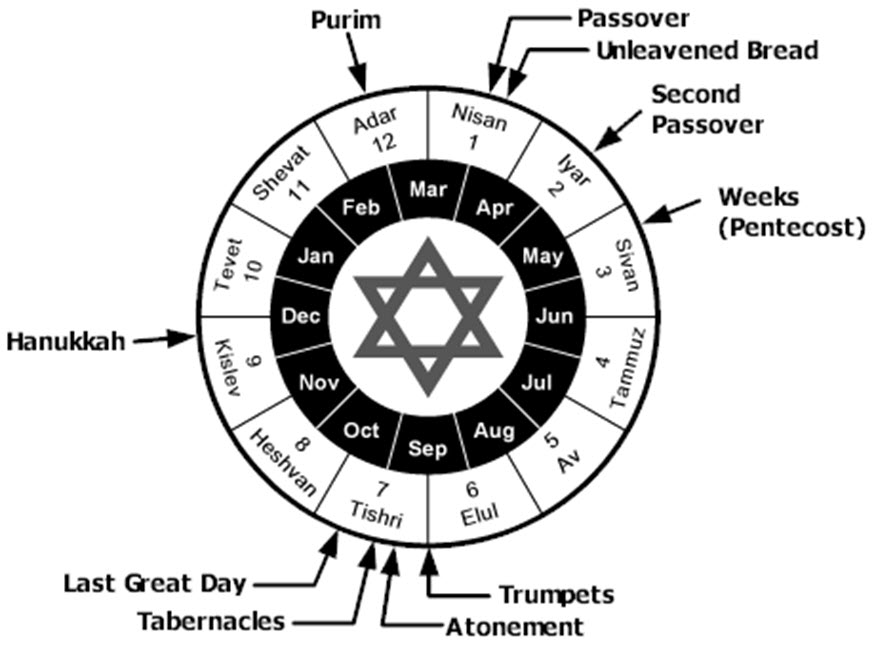
The Season of Teshuvah

The special season known as Teshuvah, which in Hebrew means "to return or repent," begins on the first day of the month of Elul and continues 40 days. Each morning during the 30 days of the month of Elul, the trumpet (shofar) or ram's horn is blown to warn the people to repent and return to God.
Rosh HaShanah, Feast of Trumpets, is a final 10 day period beginning 30 days into Teshuvah, on Tishrei l. The sabbath that falls within this 10 day period is called Shabbat Shuvah, the Sabbath of Return. This page is the description of Rosh HsShanah.
The 10 days ends on Yom Kippur. See Lev 23:24-25
Yom Kippur >>
These 10 days are known as the High Holy Days and as the Days of Awe.
Teshuvah (repentance) speaks to all people. Those who believe in the Messiah are called to examine their lives and see where they have departed from God. It is a call to examine the Scriptures and the evidence that the Messiah was who He said He was.
Five days after Yom Kippur is Sukkot, the Feast of Tabernacles.
Sukkot, the Feast of Tabernacles >>>>
All Righteous Things Testify of Christ
Beyond the Hebrew understanding of the Feasts of Israel and the Christian interpretations of the symbols, there is another way to understand how the Gospel transcends all we do and experience on this earth. For instance, why are there 7 to 9 months of pregnancy?
The exact span of days between Purim and Chanukah = 280 days or 9 months.
- Spring fertilizing, conception: Purim (Feast of Esther)
- Unleavened Bread Seed buried: Passover (Pesach)
- Seed implantation, first fruits. Becomes fetus in 50 days: Shavuot (Pentecost); the giving of the Torah (Law). Feast of First Fruits of they who will live forever, Feast of Weeks
- Fetus gets hearing ability, 1st day of 7th month: Rosh Ha Shanah (New Year) Feast of the Trumpet
- Fetus' blood matures 10th day of 7th month. Lungs mature 15th day of 7th month: Yom Kippur, Day of Atonement
- Fetus essentially ready for birth as mortal. Needed strength, size, gained during final two months
Chanukah; Feast of Lights, Temple Rededication/Rebirth of temple
| +Larger | Text Size | --Smaller |
|---|